Across 50+ languagesWords & Names

Uncover the Story Behind Every Word & Name

Trace the linguistic roots, historical journeys, and cultural meanings of words and personal names from around the world.

Every word carries a history

NameWise is a library of word and name origins, written for anyone who has ever paused mid-sentence and wondered where a word actually came from. Behind the everyday vocabulary we use without a second thought lies a tangle of ancient languages, migrations, trade routes, misunderstandings and happy accidents. A single word can connect a Roman soldier's wages, a sixteenth-century fairy tale, and a term you used in conversation this morning. Our aim is to make those connections clear, accurate and genuinely interesting to read.

Unlike a dictionary, which tells you what a word means today, an etymology tells you the story of how it came to mean that at all. Words rarely travel in a straight line. They are borrowed between languages, clipped and reshaped by the mouths that speak them, and quietly shifted in meaning over centuries until the original sense is all but invisible. “Salary” once concerned salt; “nightmare” once meant a crushing spirit, not a bad dream; “denim” is simply the name of a French city folded into a fabric. Each article on NameWise traces one of these journeys from its earliest known root to the word we use now.

Everything here is researched and written by hand, cross-checked against the historical record rather than generated at random. We cite the languages a word passed through, the approximate dates it shifted, and the fun details that make a story stick. If a derivation is folk etymology — a tidy tale people love to repeat but which the evidence does not support — we say so plainly.
100 in-depth articles

Full, hand-written etymologies tracing familiar words back to their roots.

9,542 given names

Meanings and origins for first names from cultures around the world.

1,660 surnames

The trades, places, ancestors and traits that family names grew from.

New word every day

Word of the Day

One word, one surprising origin story. Come back tomorrow for the next one.

Thursday, 29 October 2026

Philosophy

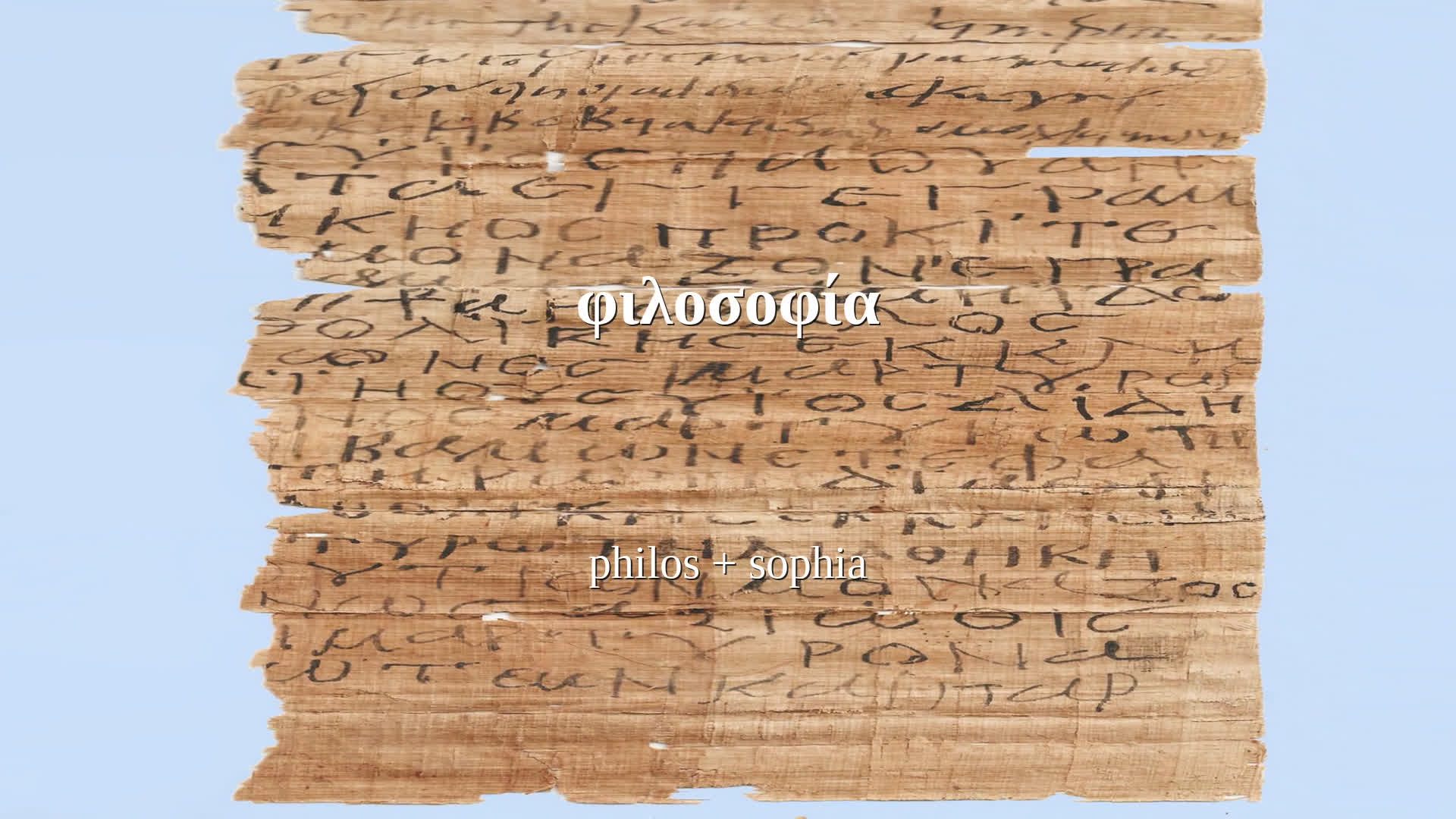
Greek → Latin → Englishphilos “loving” + sophia “wisdom”

The study of knowledge, reality and existence.

Philosophia meant “love of wisdom”. Tradition credits Pythagoras with calling himself a philosophos — a lover of wisdom rather than a wise man.

Did you know? Sophia is also the root of “sophisticated” and “sophomore”.

Explore the full origin
Philosophy — NameWise etymology video
Watch the video
Share the meaning

Gift a Name to Someone You Love

Look up any name to reveal its meaning and story — then send it as a heartfelt gift on WhatsApp, Facebook, X or email, with a link back to its full page.

Try:
Viewer requests

Request a Word for a Video

Is there a word or name whose story you’d love to see brought to life? Suggest it and we may turn it into one of our cinematic etymology videos.

NameWise on YouTube

Watch the Stories Behind the Words

Beautifully narrated etymology journeys — tracing how words and names travelled across languages and centuries. New videos added regularly.

Latest from the channel

Where Does the Name Kai Come From? | The Name Born in Three Languages

Where Does the Name Aria Come From? | The Name With Music Inside It

Where Does the Name Mateo Come From? | A Name That Means “Gift of God”

Featured Etymologies

Word Origins Worth Reading

Each of these is a full, hand-researched story — tracing a familiar word back through the languages, places and people that shaped it. Start with one and follow the roots.

Latin

Salary

salarium — “salt-money; an allowance of salt”

The word “salary” is bound up with salt — one of the ancient world’s most prized commodities — and the Roman habit of paying for essentials in it.

Read the full story
English (coined from a Persian tale)

Serendipity

Serendip — “an old name for the island of Sri Lanka”

A single English writer invented “serendipity” in 1754, drawing on a Persian fairy tale about three questing princes.

Read the full story
Ancient Greek

Philosophy

philosophia — “love of wisdom”

At its root “philosophy” means simply “the love of wisdom” — a modest, human description of one of our grandest pursuits.

Read the full story
Old English

Nightmare

mære — “a crushing goblin or evil spirit”

The “mare” in nightmare has nothing to do with horses: it was a demon that folklore said sat on the chests of sleepers.

Read the full story
Ancient Greek

Sarcasm

sarkazein — “to tear flesh; to gnash the teeth; to sneer”

Sarcasm literally means “flesh-tearing” — a vivid Greek image for words that bite.

Read the full story
Arabic (via Spanish and French)

Hazard

az-zahr — “the dice; a game of dice”

Before it meant danger, “hazard” was the name of a medieval dice game, carrying the Arabic word for dice into English.

Read the full story
English (from a surname)

Maverick

Maverick — “the surname of a Texas rancher”

The word comes straight from a real man — a Texas rancher whose unbranded cattle gave his name to anyone who won’t be labelled.

Read the full story
French

Denim

serge de Nîmes — “serge (a sturdy cloth) from the city of Nîmes”

Denim is a place in disguise: the fabric is named after Nîmes in France, just as “jeans” recalls the city of Genoa.

Read the full story
Stories You Didn’t Know

Anecdotes Behind Names

Surprising true tales of names invented by poets, born from printing errors, and popularised by a single unforgettable book. Tap a card to reveal the story.

Voices of the Ancient World

Ancient Languages

From the cuneiform of Sumer to the runes of the Vikings — discover the origins, histories and dialects of the languages that shaped our world. Tap a card to explore.

How It Works

From curiosity to insight in just a few steps.

1

Search a Word or Name

Enter any English word or personal name into the search bar to begin your discovery.
2

Trace the Roots

We analyze linguistic databases and historical records to trace each term back to its earliest known form.
3

Explore Across Cultures

See how words and names evolved across languages, cultures, and centuries of human history.

4

Discover Connections

Uncover surprising relationships between words, names, and their shared etymological ancestors.

0+

Words Covered

0+

Languages Traced

0+

Name Origins

0+

Years of History